
Transform Your Body with Smart Food Choices
Discover how strategic nutrition and weight-reducing foods can help you achieve sustainable results. Our comprehensive guide reveals the science and practical strategies behind effective food selection for body weight management.
Understanding Weight Loss Nutrition
Natural Foods
Whole, unprocessed foods with minimal additives form the foundation of weight management nutrition.
Hydration
Proper water intake supports metabolic function and helps maintain satiety throughout the day.
Balanced Intake
Combining protein, fibre, and healthy fats creates a sustainable approach to nutrition management.
Long-term Results
Consistent dietary choices lead to sustainable changes and improved overall wellness.
Top 9 Weight-Reducing Superfoods
These nutrient-dense foods are recognised for their role in supporting a balanced nutrition plan. Each offers unique benefits that contribute to overall wellness and sustainable dietary management.

Leafy Greens
Spinach, kale, and lettuce are low in calories but high in vitamins, minerals, and fibre. They provide volume and satiety with minimal energy density, making them ideal for balanced nutrition plans.
Rich in iron, calcium, and antioxidants

Berries
Blueberries, strawberries, and raspberries deliver natural sweetness with high water content and fibre. Their nutrient density makes them excellent choices for snacking and meal additions.
High in polyphenols and vitamin C

Legumes
Lentils, chickpeas, and beans provide substantial protein and fibre, promoting prolonged satiety. They're versatile in cooking and support stable energy levels throughout the day.
Complete protein source with resistant starch

Lean Proteins
Chicken breast, fish, and turkey offer high protein content with minimal fat. Protein supports muscle maintenance and requires more energy for digestion than other macronutrients.
Essential amino acids and low in saturated fat
Whole Grains
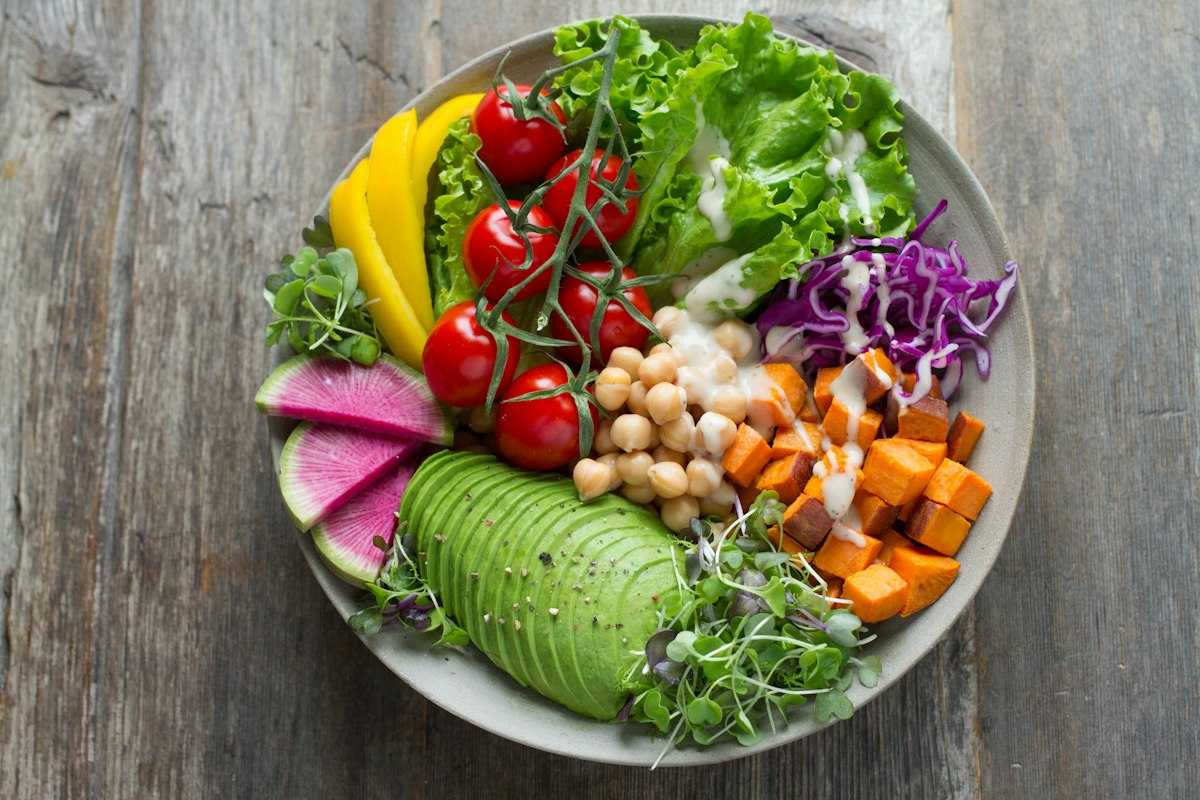
Oats, quinoa, and brown rice provide sustained energy and dietary fibre. Their complex carbohydrates digest slowly, maintaining stable blood sugar levels and preventing energy crashes.
B vitamins and essential minerals included

Cruciferous Vegetables
Broccoli, cauliflower, and Brussels sprouts contain compounds that support overall wellness. They're nutrient-dense, low in calories, and add satisfying texture to meals.
Sulforaphane and glucosinolates present

Eggs
Whole eggs provide complete protein and choline, supporting cognitive function and sustained energy. They're affordable, versatile, and particularly satiating for breakfast meals.
Lutein and zeaxanthin for eye health

Nuts & Seeds
Almonds, walnuts, and flax seeds deliver healthy fats, protein, and fibre in portable portions. Despite higher calorie density, their satiety effect supports portion control naturally.
Omega-3 fatty acids and micronutrients

Greek Yogurt
Plain Greek yogurt offers high protein with minimal added sugar. It's versatile as a snack, ingredient, or breakfast base, supporting both satiety and digestive wellness.
Probiotics and calcium for bone health
Why These Foods Work for Weight Management
Understanding the nutritional properties that make certain foods effective for maintaining a healthy body weight helps you make informed dietary choices daily.
Metabolic Efficiency
Protein-rich foods and whole grains require more energy for digestion—a process called thermogenesis. This means your body uses more calories simply to process these foods compared to processed alternatives. Additionally, foods high in fibre increase satiety, helping you feel fuller longer with fewer calories consumed.
- Higher thermic effect of food (TEF)
- Enhanced metabolic rate during digestion
- Improved sustained energy levels
Nutritional Density
Weight-reducing foods pack maximum nutrition into minimal calories. Vegetables and fruits are predominantly water and fibre—both zero-calorie components that add volume and satiety to meals. This allows for larger, more satisfying portions without exceeding reasonable calorie intake targets.
- Vitamins and minerals in every bite
- High water content supports hydration
- Phytonutrients promote cellular health
Satiety and Portion Control
Foods with high fibre and protein content trigger satiety hormones, signalling fullness to your brain. This means you naturally eat less without feeling deprived. The volume of these foods—especially vegetables and whole grains—creates psychological satisfaction that refined, calorie-dense foods cannot match.
- Slower digestion reduces hunger spikes
- Psychological satisfaction from volume
- Natural appetite regulation
Sustained Wellness
Whole foods provide stable blood sugar management through complex carbohydrates and balanced macronutrients. This prevents energy crashes and cravings that lead to overeating. Consistent nutrition supports hormonal balance, cognitive function, and overall quality of life throughout your dietary journey.
- Stable blood sugar levels maintained
- Hormonal balance supported
- Long-term dietary adherence improved
The Science Behind Weight Loss Foods
The effectiveness of weight-reducing foods isn't based on magic—it's grounded in nutritional science. Research demonstrates that foods high in protein, fibre, and water content work synergistically to support healthy body composition. Protein activates your body's thermic response, meaning more calories are burned during digestion. Fibre provides bulk without calories, supporting digestive health and prolonged satiety.
Water-rich foods like vegetables and fruits reduce calorie density while maintaining meal volume. This is crucial: your brain responds to portion size and chewing time as much as calorie content. Additionally, whole foods contain micronutrients that support metabolic function, hormone regulation, and energy production—all essential for maintaining sustainable lifestyle changes.
Key Nutritional Principles:
- Macronutrient Balance: Combining protein, healthy fats, and carbohydrates supports stable energy and appetite regulation.
- Micronutrient Sufficiency: Vitamins and minerals optimise metabolic processes and prevent deficiency-related cravings.
- Fibre Intake: Soluble and insoluble fibre support digestive health and prolonged satiety.
Building Your Weight Management Strategy
Implementing dietary changes effectively requires a structured approach. Follow these evidence-based steps to transition toward weight-reducing foods while maintaining enjoyment and satisfaction.
Assess Your Current Intake
Track what you currently eat for one week without judgment. This awareness creates the baseline for identifying which foods support your goals and which may need adjustment. Note portion sizes, meal timing, and how different foods make you feel.
Introduce Whole Foods Gradually
Rather than eliminating foods overnight, start by adding one or two weight-reducing foods to each meal. Replace refined grains with whole grains at one meal, add vegetables to dinner, include protein at breakfast. Gradual changes are easier to maintain long-term.
Learn Basic Preparation Methods
Simple cooking techniques—steaming, grilling, baking, sautéing with minimal oil—preserve nutrients while keeping meals flavourful. Invest time in learning one new recipe weekly. Seasonal produce offers variety and supports consistent engagement with whole foods.
Monitor Progress and Adjust
Track how you feel—energy levels, hunger patterns, wellbeing—rather than fixating solely on measurements. Notice which foods satisfy you most and which combinations work best for your lifestyle. Adjust based on practical experience and personal preferences.
Weight-Reducing Foods vs. Processed Alternatives
| Factor | Whole Foods | Processed Foods |
|---|---|---|
| Calorie Density | Low calories per volume | High calories per volume |
| Satiety Duration | Prolonged fullness (3-4 hours) | Brief satisfaction (1-2 hours) |
| Micronutrients | Rich in vitamins and minerals | Minimal nutritional value |
| Energy Levels | Sustained energy boost | Energy crash after peak |
What Our Customers Say
"Calorie Control Foods completely transformed my weight management journey. The meals are delicious and I never feel deprived!"
Jessica Martinez
Fitness Enthusiast
"The convenience factor is unbeatable. No more spending hours meal prepping. I've lost significant weight in 3 months!"
Robert Kim
Busy Professional
"Finally, a solution that works with my lifestyle! The portion sizes and nutrition balance are perfect for my dietary needs."
Sarah Lopez
Health Coach
Frequently Asked Questions
How are your meals prepared?
All our meals are prepared by certified nutritionists and professional chefs using fresh, high-quality ingredients. Each meal is portion-controlled and balanced for optimal nutrition.
Can I customize my meal plan?
Yes! We offer personalized meal plans tailored to your dietary preferences, restrictions, and fitness goals. Simply fill out our nutrition questionnaire during signup.
How long do meals stay fresh?
Our meals are delivered fresh and stay refrigerated for up to 5 days. Each meal comes with clear expiration dates. For longer storage, meals can be frozen for up to 3 months.
What about allergies and dietary restrictions?
We cater to all dietary needs including gluten-free, vegan, keto, paleo, and allergen-free options. We take food allergies very seriously and maintain strict preparation standards.
How much does delivery cost?
Delivery costs vary by location and order size. Orders over $100 qualify for free delivery. We offer flat-rate shipping for smaller orders, and you can see exact costs before checkout.
Can I pause or cancel my subscription?
Absolutely! You can pause your subscription anytime for up to 3 months or cancel with no penalties. Manage your account directly through our website or contact our support team.
Ready to Transform Your Health?
Join thousands of satisfied customers who are achieving their weight management goals with delicious, nutritious meals delivered to their door.
No credit card required. Cancel anytime.